Real-time thermal field acquisition
TPS captures the thermal field of the weld seam and evaluates temperature, seam width, temperature distribution, and symmetry.

ThermoProfileScanner TPS
ThermoProfileScanner TPS is a patented inline monitoring system for volumetric, non-destructive weld seam inspection in tube and profile welding lines.
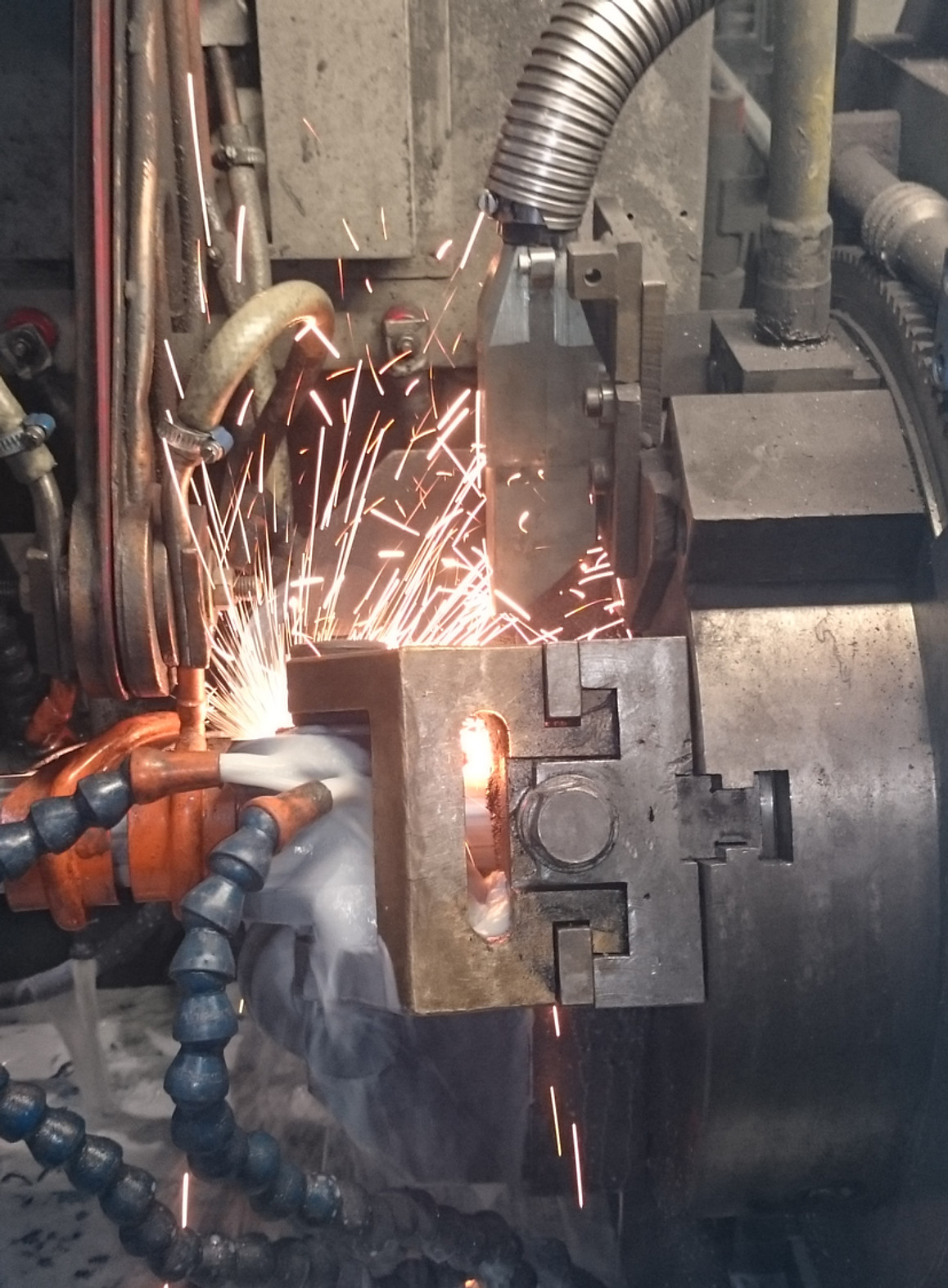
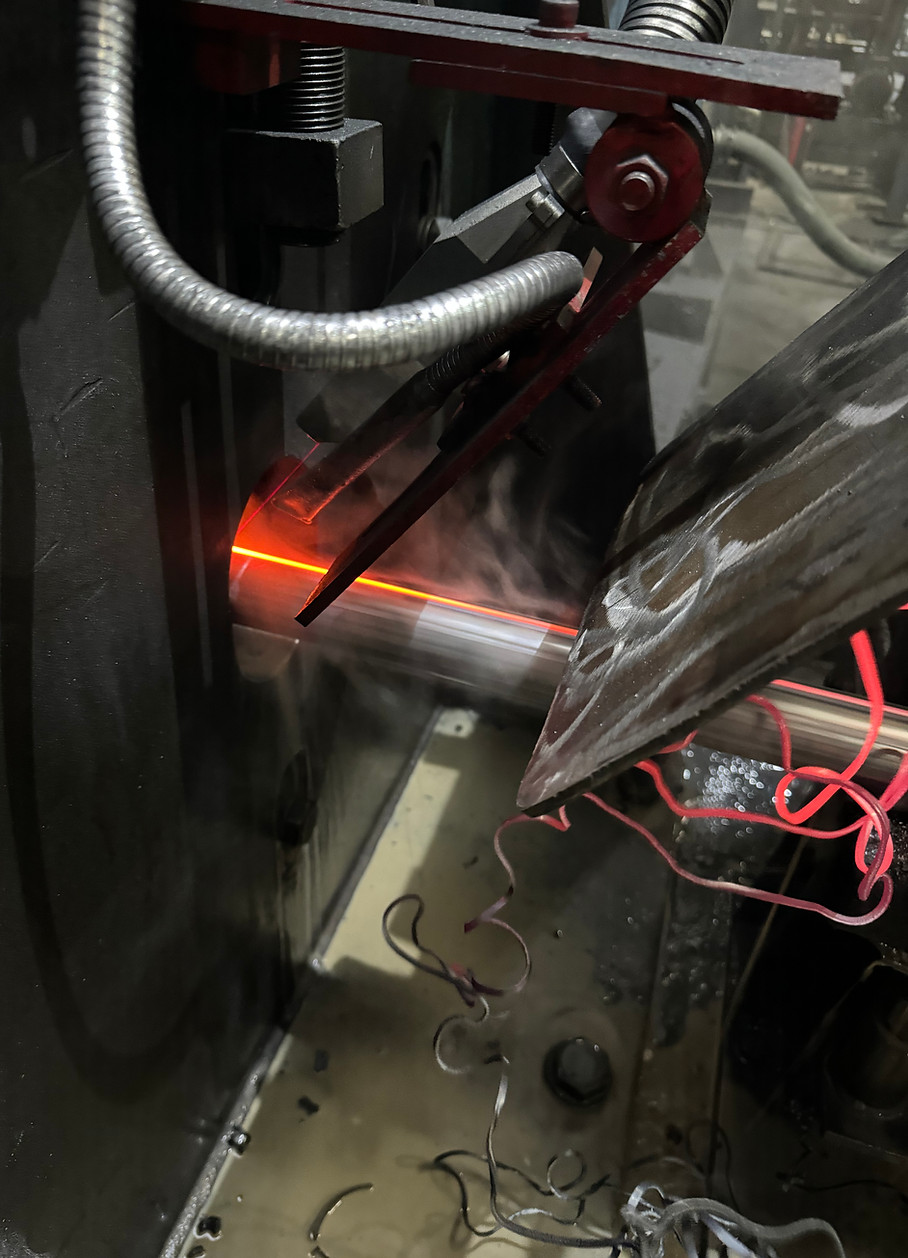
System principle
Installed directly behind the welding point, ThermoProfileScanner TPS evaluates the thermal field of the weld seam and provides real-time quality data for monitoring, documentation, marking and sorting.
Unlike purely visual systems, ThermoProfileScanner evaluates seam temperature, seam width, temperature distribution and symmetry in real time, giving operators direct feedback on weld quality and process stability.
What it does
TPS captures the thermal field of the weld seam and evaluates temperature, seam width, temperature distribution, and symmetry.
The system evaluates weld seam quality automatically and can output position-accurate signals for marking, sorting, or production response.
TPS integrates into PLC, fieldbus, and company networks, helping defective tubes or profiles be detected before delivery.
Defect detection
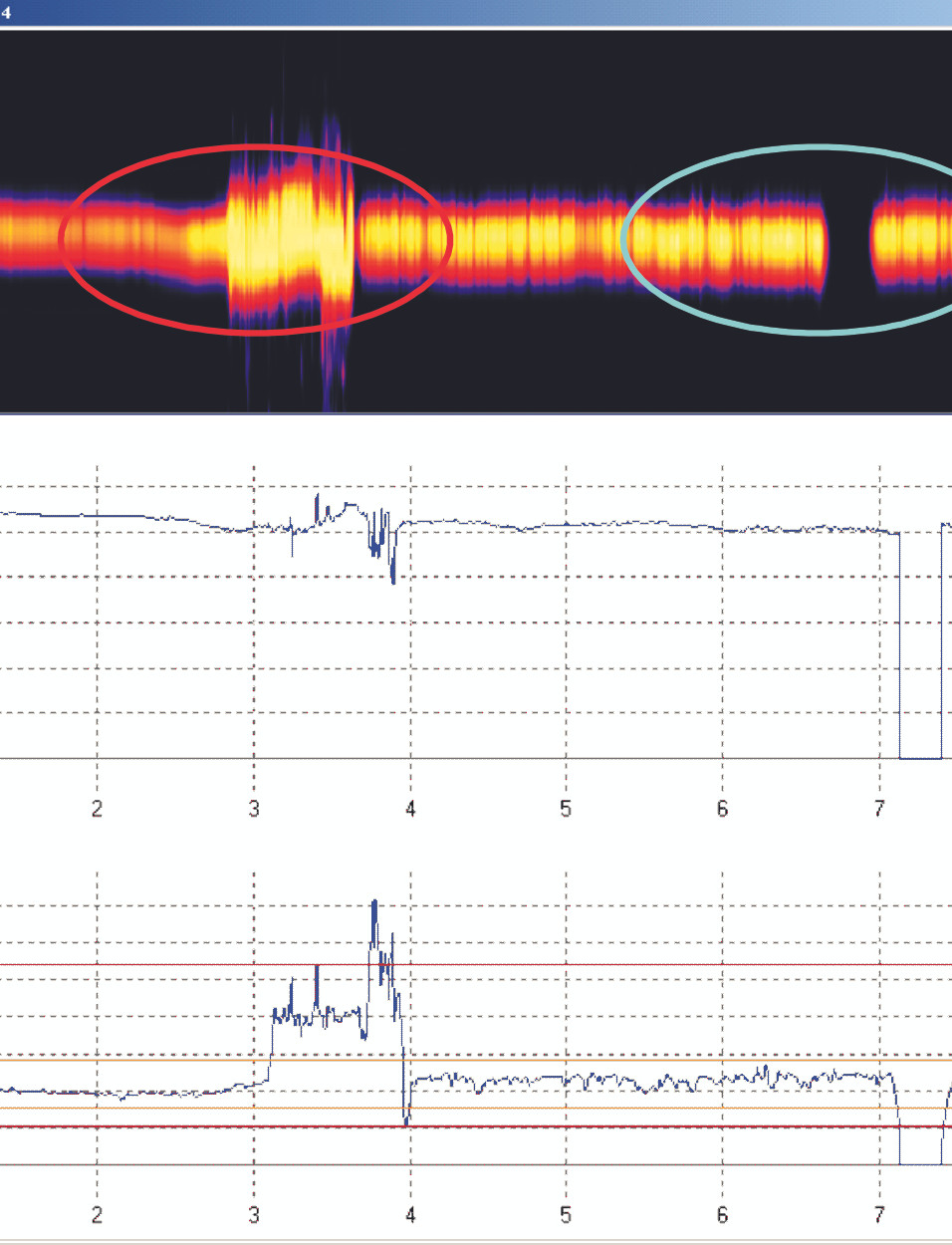
TPS detects weld irregularities and process disturbances by measuring the thermal field directly behind the welding point. Typical detectable issues include cold welds, holes and porosity, lack of fusion, incomplete or asymmetrical penetration, misalignment problems, damaged coil edges, focal position variation, plasma disturbances and process drift.
Especially in ERW and HFI welding, TPS can detect cold welds in areas where eddy current systems often reach their limits. The procedure is recognized according to ÖNORM M 10893-13:2018-11-01.
How TPS works
Thermal field acquisition directly behind the welding point.
Evaluation of the temperature distribution across the seam.
Derivation of characteristic weld parameters.
Automatic real-time assessment against process limits.
Output for marking, separation, process correction, and documentation.
Operational benefits
An Overview in 120 Seconds
This video gives a fast visual overview of the ThermoProfileScanner system, its measurement principle, and the way it supports inline weld seam monitoring in production.
Key facts
Why leading manufacturers choose TPS
TPS helps reduce scrap and complaint costs, protect line availability, reduce liability and quality risks, and strengthen the image of a high-quality supplier.
Manufacturers can communicate 100% monitored quality, differentiate from competitors, support premium pricing, and build trust through visible technological leadership.
Every seam is monitored. Deviations are detected immediately, welding parameters can remain more stable, and rework or unplanned downtime can be reduced.
The system gives operators a visual quality status, intuitive alarms, objective data, and remote support options for clear quality decisions.
Complete documentation, audit-proof storage, traceability, and process improvement data support ISO, API, and customer audits.
TPS is delivered as a customized complete solution with analog, digital, serial, fieldbus, and network interfaces, output to markers or saws, and industrial hardware for 24/7 production environments.
Next step
Start with the TPS overview, check whether your application fits, or open the Downloads page for ThermoProfileScanner datasheets, manuals and calibration files.